Why Ganesha on Diwali? Quick Answer
Lord Ganesha is worshipped with Goddess Lakshmi on Diwali because (1) he is *pratham pujya* — worshipped first in every ritual to remove obstacles; (2) he is the lord of wisdom (*buddhi*), and wealth (*Lakshmi*) is only beneficial when guided by wisdom; and (3) according to a popular legend, Lakshmi adopted Ganesha as her son and declared that she would always be worshipped along with him. Also, Lord Vishnu — Lakshmi's consort — is in yoga-nidra during Chaturmas, so on Diwali night Lakshmi is worshipped with Ganesha instead. In 2026, Lakshmi-Ganesh puja is on 8 November, 5:54–7:50 PM in Delhi.
1. Ganesha Is Pratham Pujya
In Hindu tradition, every puja begins with Ganesha. According to a well-known story, when the gods debated who should be worshipped first, Shiva and Parvati set a race around the universe. Kartikeya set off on his peacock, but Ganesha simply walked around his parents, saying they were his whole universe. Pleased by his wisdom, the gods made him the first to be worshipped. On Diwali, Ganesha is worshipped first so that Lakshmi's blessings arrive without obstacles.
2. Wealth Needs Wisdom
Lakshmi is called chanchala — restless. Wealth without wisdom leads to arrogance, waste and conflict. Ganesha, the lord of intellect and discernment, ensures that wealth is earned rightly, used wisely and stays in the home. Worshipping them together is a prayer for buddhi with samriddhi — wisdom with prosperity.
3. The Legend of Lakshmi and Ganesha
A popular folk legend says that Goddess Lakshmi once became proud of being the source of all wealth. Lord Vishnu reminded her that a woman without children is not considered complete in the traditional view of family. Saddened, Lakshmi asked Goddess Parvati, who had two sons, to give her one to raise. Parvati agreed and gave Ganesha as Lakshmi's adopted son. Overjoyed, Lakshmi declared that whoever worships her without Ganesha will not receive her lasting blessings — and that her wealth will stay where she is worshipped with Ganesha. This is why the two are always worshipped together on Diwali.
4. Why Not Vishnu on Diwali Night?
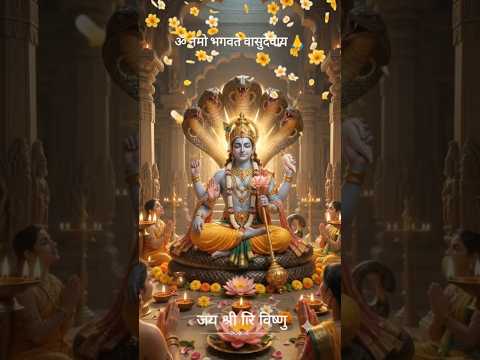
Diwali falls during Chaturmas, the four months when Lord Vishnu is in cosmic sleep (yoga-nidra), from Devshayani Ekadashi to Dev Uthani (Prabodhini) Ekadashi. So on Diwali night Lakshmi is worshipped with Ganesha, the remover of obstacles. Lakshmi-Narayan are worshipped together after Vishnu awakens, at Dev Uthani Ekadashi and the Tulsi Vivah.
5. Riddhi-Siddhi and Shubh-Labh
In the Ganesha tradition, Riddhi (prosperity) and Siddhi (spiritual attainment) are his consorts, and Shubh (auspiciousness) and Labh (profit) are regarded as his sons. That's why businesses write "Shubh-Labh" on account books and doors on Diwali, along with a swastika — Ganesha's symbol.
Choosing Lakshmi-Ganesh Idols
- •Lakshmi should be seated on a lotus, not standing — a seated Lakshmi is believed to stay in the home.
- •For homes, a Ganesha with the trunk turned to his left is traditionally preferred.
- •Avoid broken or chipped idols.
- •Clay idols are eco-friendly; many families buy new idols every Diwali, often on Dhanteras.
How to Worship Ganesha on Diwali
- 1Offer roli, akshat, durva, flowers, a janeu and modak or laddoo.
- 2Chant "Vakratunda mahakaya suryakoti samaprabha, nirvighnam kuru me deva sarvakaryeshu sarvada."
- 3Chant "Om Gam Ganapataye Namah" 11 or 108 times.
- 4Do not offer tulsi to Ganesha.
See the full Deepawali 2026 puja vidhi.
Summary
On Diwali, Ganesha is worshipped first to remove obstacles, to bless wealth with wisdom, and because of the legend that Lakshmi adopted him as her son. With Vishnu in yoga-nidra during Chaturmas, Lakshmi is worshipped with Ganesha. In 2026, perform the Lakshmi-Ganesh puja on 8 November in the Pradosh-Vrishabha muhurat.