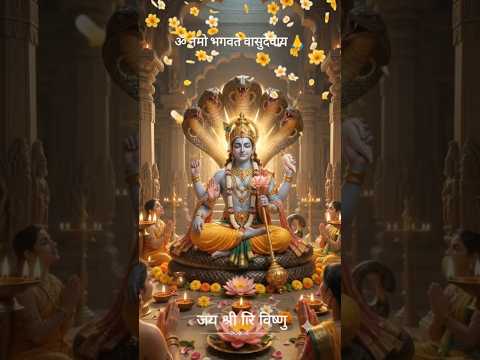
Ekadashi is the eleventh tithi of Shukla paksha and of Krishna paksha. Vaishnava families treat it as a day of fasting and Vishnu puja. Because tithi is an angle between Sun and Moon, Ekadashi can begin or end at an odd clock time. The civil date on a Jaipur newspaper is only a hint.
Panchang practice in North India often uses the tithi at sunrise to name the vrat day, with extra rules (smarta vs Vaishnava) when Ekadashi touches two sunrises. Do not copy a Mumbai time for Bikaner. Open the city page for the morning tithi and the end clock.
On Apna Panchang, Ekadashi appears in the tithi line when that lunar day is current at sunrise. If you keep a strict fast, also read whether the tithi ends before the next sunrise. Pair the vrat with Rahu kalam only if you are starting a journey that day — the fast itself is not a muhurat product.
Confirm temple hours locally. The panchang does not replace a sampradaya's rulebook; it shows the clocks your city actually has.