Utpanna Ekadashi 2026 falls on Friday, 4 December 2026, and the fast is broken (paran) on Saturday, 5 December 2026 after sunrise (Jaipur 7:01 AM), preferably before noon. The Ekadashi tithi runs from 11:05 PM on 3 December to 11:47 PM on 4 December; dwadashi then lasts from 11:47 PM on 4 December to 12:55 AM in the night of 5/6 December, so the whole of 5 December is available for paran.
| Detail | Time (IST) |
|---|---|
| Fasting day | Friday, 4 December 2026 (Margashirsha Krishna Ekadashi) |
| Ekadashi tithi | 3 Dec 11:05 PM – 4 Dec 11:47 PM |
| Dwadashi tithi | 4 Dec 11:47 PM – 6 Dec 12:55 AM |
| Hari Vasara ends | 5 Dec 6:04 AM (before sunrise) |
| Paran day | Saturday, 5 December 2026 |
| Paran window (Jaipur) | after 7:01 AM; best before 12:00 noon; 7:01 – 9:39 AM if you avoid rahu kaal (9:39 – 10:58 AM) |
| Sunrise / sunset Jaipur, 4 Dec | 7:00 AM / 5:33 PM |
| Brahma muhurat Jaipur, 4 Dec | 5:24 – 6:12 AM |
| Pradosh kaal Jaipur, 4 Dec | 5:33 – 7:57 PM |
| Nakshatra on 4 Dec | Hasta until 10:23 AM, then Chitra |
When is Utpanna Ekadashi 2026?
The Ekadashi of the dark fortnight of Margashirsha is called Utpanna. In 2026 the tithi begins at 11:05 PM on 3 December and ends at 11:47 PM on 4 December. Sunrise on 4 December (Jaipur 7:00 AM) falls in Ekadashi, while sunrise on the 3rd was still Dashami, so by the udaya-tithi rule the fast is on 4 December.
Smarta and Vaishnava observers keep the same day this time. The Vaishnava test asks whether Dashami was still running at arunodaya (about 96 minutes before sunrise, roughly 5:24 AM on 4 December); Dashami had already ended at 11:05 PM on the 3rd, so the Ekadashi is not Dashami-viddha and both traditions fast on 4 December. Regions using the Amanta calendar label the same day Kartik Krishna Ekadashi; the date does not change.
Paran time by city (5 December 2026)
Three rules govern paran: after sunrise, before dwadashi ends, and after Hari Vasara (the first quarter of dwadashi) is over. Dwadashi lasts until 12:55 AM in the night of 5/6 December and Hari Vasara ends at 6:04 AM on the 5th, before sunrise. So in every city the sunrise column is the earliest paran time; eat before noon. The times below come from Apna Panchang's sunrise-based engine.
| City | Paran from (sunrise) | Rahu kaal | Abhijit |
|---|---|---|---|
| Jaipur | 7:01 AM | 9:39 – 10:58 AM | 11:56 AM – 12:38 PM |
| Delhi | 6:59 AM | 9:35 – 10:53 AM | 11:50 AM – 12:32 PM |
| Mumbai | 6:57 AM | 9:43 – 11:06 AM | 12:06 – 12:51 PM |
| Jodhpur | 7:11 AM | 9:49 – 11:09 AM | 12:07 – 12:49 PM |
| Udaipur | 7:04 AM | 9:45 – 11:05 AM | 12:04 – 12:47 PM |
| Bikaner | 7:13 AM | 9:50 – 11:08 AM | 12:06 – 12:48 PM |
| Varanasi | 6:29 AM | 9:08 – 10:28 AM | 11:27 AM – 12:09 PM |
| Lucknow | 6:40 AM | 9:18 – 10:37 AM | 11:35 AM – 12:17 PM |
| Ahmedabad | 7:06 AM | 9:48 – 11:09 AM | 12:08 – 12:51 PM |
| Kolkata | 6:02 AM | 8:44 – 10:05 AM | 11:05 – 11:48 AM |
| Patna | 6:21 AM | 9:00 – 10:20 AM | 11:18 AM – 12:01 PM |
| Indore | 6:52 AM | 9:34 – 10:56 AM | 11:55 AM – 12:38 PM |
The scriptures do not forbid eating during rahu kaal, but many families avoid it; in Jaipur that means paran between 7:01 and 9:39 AM or after 10:58 AM. Paran in the Abhijit muhurat is also considered good.
Every vrat, muhurat and rahu kaal offline, with alarms. Computed from your city's sunrise: Panchang 2026 app on Google Play.
City-wise times: 4 December (fasting day)
| City | Sunrise | Sunset | Rahu kaal | Pradosh kaal |
|---|---|---|---|---|
| Jaipur | 7:00 AM | 5:33 PM | 10:57 AM – 12:16 PM | 5:33 – 7:57 PM |
| Delhi | 6:58 AM | 5:24 PM | 10:53 AM – 12:11 PM | 5:24 – 7:48 PM |
| Mumbai | 6:57 AM | 6:00 PM | 11:05 AM – 12:28 PM | 6:00 – 8:24 PM |
| Jodhpur | 7:10 AM | 5:45 PM | 11:08 AM – 12:28 PM | 5:45 – 8:09 PM |
| Udaipur | 7:04 AM | 5:46 PM | 11:05 AM – 12:25 PM | 5:46 – 8:10 PM |
| Bikaner | 7:12 AM | 5:40 PM | 11:08 AM – 12:26 PM | 5:40 – 8:04 PM |
| Varanasi | 6:28 AM | 5:07 PM | 10:28 – 11:48 AM | 5:07 – 7:31 PM |
| Lucknow | 6:39 AM | 5:12 PM | 10:37 – 11:56 AM | 5:12 – 7:36 PM |
| Ahmedabad | 7:05 AM | 5:53 PM | 11:08 AM – 12:29 PM | 5:53 – 8:17 PM |
| Kolkata | 6:01 AM | 4:51 PM | 10:05 – 11:26 AM | 4:51 – 7:15 PM |
| Patna | 6:20 AM | 4:58 PM | 10:19 – 11:39 AM | 4:58 – 7:22 PM |
| Indore | 6:52 AM | 5:41 PM | 10:55 AM – 12:16 PM | 5:41 – 8:05 PM |
The story of Utpanna Ekadashi
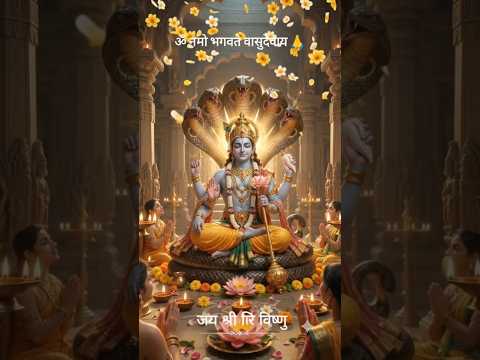
According to the Padma Purana, in the Satya Yuga a demon named Mura drove the gods out of heaven. They took refuge with Vishnu, who fought Mura for a thousand years and then, tired, withdrew into yoga-nidra in the Hemavati cave at Badrikashram. Mura followed him into the cave and was about to strike the sleeping Vishnu when a radiant goddess emerged from the Lord's body and slew the demon.
When Vishnu awoke he said, pleased, that since she had been born (utpanna) on the Ekadashi of Margashirsha Krishna Paksha she would be known as Ekadashi, and that whoever fasted on this day would be freed of sin and gain his devotion. That is why this Ekadashi is called Utpanna, and why anyone beginning the cycle of twenty-four Ekadashi fasts traditionally starts with it. The same story explains the ban on rice: a trace of Mura is believed to take shelter in grain, especially rice.
How to keep the fast
- 1Dashami (3 December): one sattvic meal, no grain after sunset (5:33 PM). Pluck and keep tulsi leaves today.
- 2Ekadashi morning (4 December): bathe in Brahma muhurat (Jaipur 5:24 – 6:12 AM) or around sunrise and take the sankalp with water and rice grains in hand.
- 3Puja: bathe the Vishnu or Laddu Gopal image in panchamrit, offer yellow cloth, sandal paste, tulsi leaves, yellow flowers and fruit. One round of "Om Namo Bhagavate Vasudevaya", the Vishnu Sahasranama or chapter twelve of the Gita, then the Utpanna Ekadashi story.
- 4Through the day: nirjala or fruit diet as health allows; no daytime sleep, keep to the name of Hari or bhajans.
- 5Pradosh (Jaipur 5:33 – 7:57 PM): a ghee lamp by the tulsi plant, Vishnu arati; stay awake as late as you can.
- 6Paran (5 December): bathe after sunrise (7:01 AM), offer food to Vishnu, feed or give to a Brahmin or someone in need, then break the fast with a tulsi leaf and water. The first meal traditionally includes rice.
Dos and don'ts
- •Rice, wheat, pulses, onion, garlic and non-vegetarian food are prohibited; fruit, milk, sabudana, water chestnut and buckwheat are allowed.
- •Do not pluck tulsi on Ekadashi itself; keep leaves ready from the day before.
- •Avoid cutting hair or nails, anger, lies and quarrels.
- •Pregnant women, the sick and the elderly may take fruit and milk; a partial fast kept with devotion counts as complete.
- •Rahu kaal in Jaipur on 4 December is 10:57 AM to 12:16 PM; puja and charity are not restricted in it, but do not start new work.
Significance
Utpanna Ekadashi falls in Margashirsha, the month Krishna names as his own form in the Gita, so its merit is held to be special. The story promises the fruit of pilgrimage and charity and satisfaction for the ancestors. It is the second-last Krishna Ekadashi of 2026; the next Ekadashi is Mokshada (Gita Jayanti) on Sunday 20 December and Safala Ekadashi follows on Sunday 3 January 2027. Kharmas begins on 16 December, but it places no restriction on Ekadashi fasting or Vishnu worship.
Every vrat, muhurat and rahu kaal offline, with alarms. Computed from your city's sunrise: Panchang 2026 app on Google Play.
The general rules of Ekadashi are in what is Ekadashi and the previous Ekadashi's paran in Devuthani Ekadashi 2026 paran time. See your city's panchang, rahu kaal and choghadiya, or generate your free janam kundli. The previous article in this series is Margashirsha Maas 2026 and the next is Kharmas 2026 dates.