Paush Putrada Ekadashi 2027 is on Tuesday, 19 January 2027. The Ekadashi tithi runs from 18 January 10:31 AM to 19 January 7:51 AM; since Dashami is present at sunrise on the 18th, that day is Dashami-viddha and the fast is kept on the 19th. Break the fast (paran) on 20 January right after sunrise, because Dwadashi ends that morning at 4:41 AM. Times are computed for Jaipur, where sunrise on 19 January is 7:16 AM.
Paush Putrada Ekadashi 2027: key timings
| Detail | Time |
|---|---|
| Fast | Tuesday, 19 January 2027 |
| Ekadashi begins | Monday, 18 January, 10:31 AM |
| Ekadashi ends | Tuesday, 19 January, 7:51 AM |
| Dwadashi | 19 January 7:51 AM to 20 January 4:41 AM |
| Paran | Wednesday, 20 January, immediately after sunrise |
| Sunrise / sunset (Jaipur, 19 Jan) | 7:16 AM / 5:58 PM |
| Nakshatra (19 Jan, Jaipur) | Rohini till 1:23 PM |
| Rahu kaal (19 Jan, Jaipur) | 3:17 to 4:38 PM |
| Abhijit muhurat (Jaipur) | 12:16 to 12:58 PM |
When is Paush Putrada Ekadashi 2027: 18 or 19 January?
Ekadashi begins at 10:31 AM on 18 January. At sunrise that morning (Jaipur 7:17 AM) Dashami was still running, which makes 18 January a Dashami-viddha Ekadashi. The scriptures forbid fasting on an Ekadashi pierced by Dashami, in both Smarta and Vaishnava traditions, when Dashami lasts up to sunrise.
On 19 January, Ekadashi is present at sunrise (7:16 AM) and lasts till 7:51 AM. By the udaya tithi rule the fast day is 19 January. Even though Ekadashi remains for only about 35 minutes after sunrise, the sunrise-tithi is what counts, and Apna Panchang applies the same rule.
Paran: 20 January, right after sunrise
Dwadashi ends at 4:41 AM on 20 January, before sunrise. In such a case the scriptures direct that the paran be done immediately after sunrise, since breaking the fast within Dwadashi is not possible and the morning is the prescribed time for paran.
Check your city's sunrise for 20 January on the panchang page and break the fast with water, a tulsi leaf and fruit after it. The Hari Vasara restriction (first quarter of Dwadashi) does not apply, because Dwadashi is already over before sunrise.
City-wise timings: 18 and 19 January 2027
The times below come from the sunrise-based engine of Apna Panchang. Sunrise on 18 January shows that Ekadashi begins after sunrise (10:31 AM) in every city; sunrise on 19 January is everywhere before Ekadashi ends (7:51 AM), so the fast day is 19 January across India.
| City | Sunrise 18 Jan | Sunrise 19 Jan | Sunset 19 Jan | Rahu kaal 19 Jan |
|---|---|---|---|---|
| Jaipur | 7:17 AM | 7:16 AM | 5:58 PM | 3:17 to 4:38 PM |
| Delhi | 7:14 AM | 7:14 AM | 5:49 PM | 3:10 to 4:30 PM |
| Mumbai | 7:14 AM | 7:14 AM | 6:23 PM | 3:36 to 5:00 PM |
| Jodhpur | 7:26 AM | 7:26 AM | 6:10 PM | 3:29 to 4:50 PM |
| Udaipur | 7:21 AM | 7:20 AM | 6:10 PM | 3:28 to 4:49 PM |
| Bikaner | 7:29 AM | 7:28 AM | 6:06 PM | 3:26 to 4:46 PM |
| Varanasi | 6:45 AM | 6:45 AM | 5:32 PM | 2:50 to 4:11 PM |
| Lucknow | 6:56 AM | 6:56 AM | 5:37 PM | 2:57 to 4:17 PM |
| Ahmedabad | 7:22 AM | 7:22 AM | 6:18 PM | 3:34 to 4:56 PM |
| Kolkata | 6:18 AM | 6:18 AM | 5:15 PM | 2:31 to 3:53 PM |
| Patna | 6:37 AM | 6:37 AM | 5:23 PM | 2:41 to 4:02 PM |
| Indore | 7:09 AM | 7:09 AM | 6:05 PM | 3:21 to 4:43 PM |
Every vrat, muhurat and rahu kaal offline, with alarms. Every Ekadashi date and paran time from your city's sunrise: Panchang 2026 app on Google Play.
Putrada Ekadashi vrat vidhi
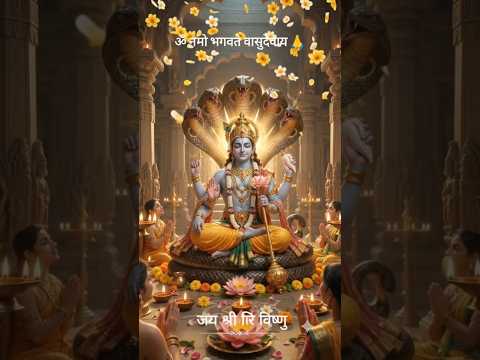
Eat a sattvic meal on the night of Dashami (18 January) and observe restraint. On 19 January bathe in the Brahma muhurat (Jaipur 5:40 to 6:28 AM) and take the sankalp for the fast. Offer yellow cloth, yellow flowers, tulsi leaves, panchamrit and fruit to Lord Vishnu or Bal Gopal. Light a ghee lamp, chant "Om Namo Bhagavate Vasudevaya" and read the Vishnu Sahasranama or the Putrada Ekadashi katha.
Keep a waterless or fruit-only fast through the day; grains and rice are not taken. In the evening light a lamp near the tulsi plant and keep a night vigil with bhajans. Couples who wish for a child worship together and chant "Om Kleem Krishnaya Namah". On 20 January, after sunrise, feed a brahmin or someone in need and then break the fast.
The katha: King Suketuman
King Suketuman of Bhadravati and his queen Shaivya had no child. The king worried about who would perform tarpan and pind-daan for the ancestors after him. One day, in despair, he wandered into the forest and found a hermitage of sages beside a lake. The sages told him that the day was Paush Shukla Putrada Ekadashi, whose fast grants the blessing of children.
The king observed the fast with devotion and broke it on Dwadashi. In time the queen gave birth to a radiant son, who grew up to be a just ruler. Since then this Ekadashi has been kept for the blessing of children and for their long life, and listening to the katha is held to carry the same merit.
Two Putrada Ekadashis: Paush and Shravana
There are two Putrada Ekadashis in a year. Paush Shukla Ekadashi is known as Putrada in North India, while South and West India celebrate it as Vaikuntha Ekadashi. Shravana Shukla Ekadashi is also called Putrada Ekadashi. The vrat procedure is the same; only the month and the katha differ.
Do's and don'ts
Do not eat rice, pulses, onion, garlic or tamasic food on the fast day. Do not pluck tulsi leaves on Ekadashi; pick them on the evening of Dashami. Avoid anger and speaking ill of others. Do not perform the puja in rahu kaal (Jaipur 3:17 to 4:38 PM); the morning or the abhijit muhurat (12:16 to 12:58 PM) is best.
Every vrat, muhurat and rahu kaal offline, with alarms. Computed from your city's sunrise: Panchang 2026 app on Google Play.
See the full panchang, rahu kaal and choghadiya for 19 January; for the santan yoga in your chart, generate a free kundli; and read about the month's main festival on the Makar Sankranti 2027 page.