Makar Sankranti 2027 is celebrated on Friday, 15 January 2027. The Sun enters Makara on Thursday, 14 January at 9:07 PM; because the transit is after sunset, the punya kaal is observed the next day, 15 January, from sunrise to sunset (Jaipur 7:17 AM to 5:55 PM), and the maha punya kaal is the first roughly 1 hour 40 minutes after sunrise (Jaipur 7:17 to 8:57 AM).
Makar Sankranti 2027: key timings (Jaipur)
| Detail | Time |
|---|---|
| Sankranti moment (Sun enters Makara) | Thursday, 14 January 2027, 9:07 PM |
| Festival, snan and daan | Friday, 15 January 2027 |
| Punya kaal | 15 January, sunrise 7:17 AM to sunset 5:55 PM |
| Maha punya kaal | 15 January, 7:17 to 8:57 AM |
| Kharmas ends | 14 January, 9:07 PM |
| Tithi (15 January) | Paush Shukla Saptami till 2:22 PM, then Ashtami |
| Nakshatra (15 January, Jaipur) | Revati till 6:28 PM |
| Rahu kaal (15 January, Jaipur) | 11:16 AM to 12:36 PM |
| Abhijit muhurat (Jaipur) | 12:15 to 12:57 PM |
Makar Sankranti 2027: 14 or 15 January?
A sankranti is the moment the Sun moves from one sign to the next. In 2027 the Sun enters Makara on 14 January at 9:07 PM, after sunset. The classical rule says that when a sankranti occurs after sunset, its punya kaal is taken from the next sunrise. The holy bath, charity and festival are therefore on 15 January.
Those who count the punya kaal from the moment itself may give daan after 9:07 PM on 14 January, but most panchangs and the Apna Panchang engine treat 15 January as the main punya kaal. This is also why Lohri is on 13 January this year, leaving a one-day gap on 14 January.
What punya kaal and maha punya kaal mean
When the sankranti falls after sunset, the whole daylight period of the next day, sunrise to sunset, is the punya kaal, and bathing and charity can be done at any point in it. Within it, the first roughly 1 hour 40 minutes (four ghatis) after sunrise is the maha punya kaal, considered the most rewarding.
The maha punya kaal starts with local sunrise, so it differs from city to city; the table below gives each city its own window. If possible, bathe in the Ganga or another sacred river and give til-gud and khichdi during the maha punya kaal.
Makar Sankranti 2027: punya kaal and maha punya kaal by city
The times below come from the sunrise-based engine of Apna Panchang. Punya kaal = sunrise to sunset; maha punya kaal = sunrise to 1 hour 40 minutes after it.
| City | Sunrise | Maha punya kaal | Punya kaal (till sunset) | Rahu kaal |
|---|---|---|---|---|
| Jaipur | 7:17 AM | 7:17 to 8:57 AM | till 5:55 PM | 11:16 AM to 12:36 PM |
| Delhi | 7:15 AM | 7:15 to 8:55 AM | till 5:46 PM | 11:11 AM to 12:30 PM |
| Mumbai | 7:14 AM | 7:14 to 8:54 AM | till 6:21 PM | 11:24 AM to 12:47 PM |
| Jodhpur | 7:27 AM | 7:27 to 9:07 AM | till 6:07 PM | 11:27 AM to 12:47 PM |
| Udaipur | 7:21 AM | 7:21 to 9:01 AM | till 6:07 PM | 11:23 AM to 12:44 PM |
| Kota | 7:13 AM | 7:13 to 8:53 AM | till 5:58 PM | 11:15 AM to 12:35 PM |
| Bikaner | 7:29 AM | 7:29 to 9:09 AM | till 6:02 PM | 11:26 AM to 12:46 PM |
| Ajmer | 7:21 AM | 7:21 to 9:01 AM | till 6:00 PM | 11:20 AM to 12:40 PM |
| Varanasi | 6:45 AM | 6:45 to 8:25 AM | till 5:29 PM | 10:47 AM to 12:07 PM |
| Lucknow | 6:56 AM | 6:56 to 8:36 AM | till 5:34 PM | 10:55 AM to 12:15 PM |
| Ahmedabad | 7:22 AM | 7:22 to 9:02 AM | till 6:15 PM | 11:27 AM to 12:49 PM |
| Kolkata | 6:18 AM | 6:18 to 7:58 AM | till 5:12 PM | 10:24 to 11:45 AM |
| Amritsar | 7:30 AM | 7:30 to 9:10 AM | till 5:49 PM | 11:22 AM to 12:39 PM |
| Chandigarh | 7:21 AM | 7:21 to 9:01 AM | till 5:43 PM | 11:14 AM to 12:32 PM |
| Patna | 6:37 AM | 6:37 to 8:17 AM | till 5:20 PM | 10:38 to 11:58 AM |
| Indore | 7:09 AM | 7:09 to 8:49 AM | till 6:02 PM | 11:14 AM to 12:35 PM |
15 January is a Friday, so rahu kaal falls between about 10:30 AM and noon. The maha punya kaal ends before rahu kaal begins; give any afternoon daan after rahu kaal.
Every vrat, muhurat and rahu kaal offline, with alarms. Your city's maha punya kaal from its own sunrise: Panchang 2026 app on Google Play.
Kharmas ends: weddings resume
Kharmas began on 16 December 2026 when the Sun entered Dhanu, pausing weddings, griha pravesh and mundan. It ends the moment the Sun enters Makara on 14 January 2027 at 9:07 PM. Auspicious work resumes from 15 January; see the muhurat page for wedding dates and fix the lagna with your pandit using your city's panchang.
What to do on Makar Sankranti
Bath and charity
Rise before sunrise and bathe during the maha punya kaal. A dip in the Ganga, Yamuna or any river or lake is best; at home add a little Gangajal and black sesame to the bath water. Then offer arghya to the Sun and chant "Om Suryaya Namah".
Charity on this day consists of sesame, jaggery, khichdi (rice with urad dal), ghee, blankets and woollens. This is why North India also calls it the Khichdi festival. Give daan within the punya kaal, that is, before sunset.
Til-gud, khichdi and kites
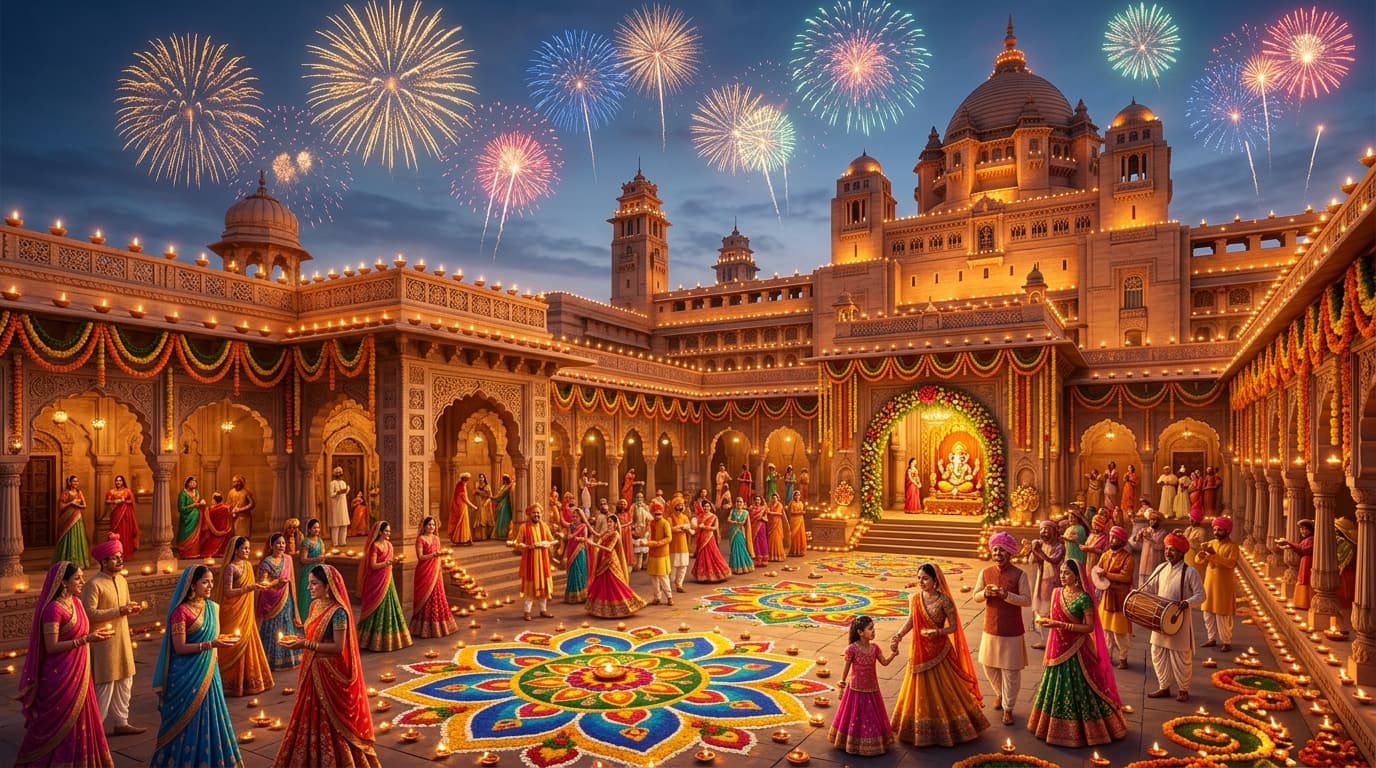
Sesame and jaggery sweets are eaten and shared. Maharashtra exchanges tilgul with the words "tilgul ghya, god god bola"; Rajasthan and Gujarat fly kites; Tamil Nadu celebrates Pongal and Assam Magh Bihu on the same day.
Why Uttarayan matters
From Makar Sankranti the Sun moves north and the days grow longer. The scriptures call Uttarayan the day of the gods; in the Mahabharata, Bhishma waited for this period before leaving his body. Bathing, charity and tarpan for ancestors on this day are therefore held to be especially fruitful.
What to avoid
Avoid tamasic food, meat, alcohol and anger during the punya kaal. Do not give daan in rahu kaal, which in Jaipur on 15 January is 11:16 AM to 12:36 PM. For any new beginning choose the abhijit muhurat (Jaipur 12:15 to 12:57 PM) or a good choghadiya (Jaipur Labh 8:37 to 9:56 AM, Amrit 9:56 to 11:16 AM).
Every vrat, muhurat and rahu kaal offline, with alarms. Computed from your city's sunrise: Panchang 2026 app on Google Play.
Read the full Makar Sankranti 2027 guide; the panchang, rahu kaal, choghadiya and muhurat pages for 15 January are also on the site.