Mokshada Ekadashi and Gita Jayanti 2026 are on Sunday, 20 December 2026, and the fast is broken on Monday, 21 December after sunrise. Margashirsha Shukla Ekadashi tithi begins on Saturday 19 December at 4:42 PM and ends on Sunday 20 December at 2:46 PM, so it is the tithi at sunrise on 20 December (Jaipur 7:10 AM). Paran is on 21 December between sunrise (Jaipur 7:11 AM) and the end of Dwadashi at 12:08 PM.
| Detail | Time (IST) |
|---|---|
| Fast and Gita Jayanti | Sunday, 20 December 2026 |
| Ekadashi tithi | 19 Dec 4:42 PM – 20 Dec 2:46 PM |
| Dwadashi tithi | 20 Dec 2:46 PM – 21 Dec 12:08 PM |
| Paran (Jaipur) | Mon 21 Dec, 7:11 AM – 12:08 PM |
| Sunrise / sunset Jaipur, 20 Dec | 7:10 AM / 5:37 PM |
| Nakshatra, 20 Dec | Ashwini till 9:26 AM, then Bharani; Shiva yoga |
| Abhijit muhurat Jaipur, 20 Dec (Gita path) | 12:03 PM – 12:45 PM |
| Pradosh kaal Jaipur, 20 Dec | 5:37 PM – 8:01 PM |
| Rahu kaal Jaipur, 20 Dec / 21 Dec | 4:19 – 5:37 PM / 8:29 – 9:48 AM |
Why 20 December for both Smarta and Vaishnava
The Ekadashi tithi touches only one sunrise, 20 December, so the fast is on 20 December under every tradition. At sunrise on 19 December the tithi is still Dashami (it ends at 4:42 PM), and by sunrise on 21 December Dwadashi has been running since the previous afternoon. There is no Dashami-vedha at dawn on 20 December either, so there is no separate Vaishnava date this time. Gita Jayanti is tied to the same tithi, Margashirsha Shukla Ekadashi, the day Krishna spoke the Bhagavad Gita to Arjuna at Kurukshetra, and is therefore also on 20 December.
City-wise times for 20 December 2026 (fast day)
The times below come from Apna Panchang's sunrise-based engine.
| City | Sunrise | Sunset | Abhijit | Pradosh kaal |
|---|---|---|---|---|
| Jaipur | 7:10 AM | 5:37 PM | 12:03 – 12:45 PM | 5:37 – 8:01 PM |
| Delhi | 7:08 AM | 5:28 PM | 11:58 AM – 12:39 PM | 5:28 – 7:52 PM |
| Mumbai | 7:06 AM | 6:05 PM | 12:14 – 12:57 PM | 6:05 – 8:29 PM |
| Jodhpur | 7:20 AM | 5:50 PM | 12:14 – 12:56 PM | 5:50 – 8:14 PM |
| Udaipur | 7:14 AM | 5:51 PM | 12:11 – 12:53 PM | 5:51 – 8:15 PM |
| Kota | 7:06 AM | 5:41 PM | 12:02 – 12:45 PM | 5:41 – 8:05 PM |
| Varanasi | 6:38 AM | 5:12 PM | 11:34 AM – 12:16 PM | 5:12 – 7:36 PM |
| Lucknow | 6:50 AM | 5:17 PM | 11:42 AM – 12:24 PM | 5:17 – 7:41 PM |
| Ahmedabad | 7:15 AM | 5:58 PM | 12:15 – 12:58 PM | 5:58 – 8:22 PM |
| Kolkata | 6:11 AM | 4:56 PM | 11:12 – 11:55 AM | 4:56 – 7:20 PM |
| Patna | 6:30 AM | 5:03 PM | 11:25 AM – 12:08 PM | 5:03 – 7:27 PM |
| Indore | 7:01 AM | 5:46 PM | 12:02 – 12:45 PM | 5:46 – 8:10 PM |
City-wise paran times for 21 December 2026
Paran opens at local sunrise and must finish before Dwadashi ends at 12:08 PM, which is the same clock time everywhere. Morning is the right time; do not postpone to the afternoon, because Trayodashi begins at 12:08 PM.
| City | Paran opens (sunrise) | Rahu kaal | Abhijit |
|---|---|---|---|
| Jaipur | 7:11 AM | 8:29 – 9:48 AM | 12:04 – 12:45 PM |
| Delhi | 7:09 AM | 8:26 – 9:44 AM | 11:58 AM – 12:39 PM |
| Mumbai | 7:06 AM | 8:29 – 9:51 AM | 12:14 – 12:58 PM |
| Jodhpur | 7:21 AM | 8:39 – 9:58 AM | 12:14 – 12:56 PM |
| Udaipur | 7:14 AM | 8:34 – 9:53 AM | 12:11 – 12:54 PM |
| Kota | 7:07 AM | 8:26 – 9:46 AM | 12:03 – 12:45 PM |
| Varanasi | 6:39 AM | 7:58 – 9:17 AM | 11:35 AM – 12:17 PM |
| Lucknow | 6:50 AM | 8:09 – 9:27 AM | 11:43 AM – 12:25 PM |
| Ahmedabad | 7:16 AM | 8:36 – 9:56 AM | 12:16 – 12:59 PM |
| Kolkata | 6:11 AM | 7:32 – 8:53 AM | 11:13 – 11:56 AM |
| Patna | 6:31 AM | 7:50 – 9:09 AM | 11:26 AM – 12:08 PM |
| Indore | 7:02 AM | 8:22 – 9:43 AM | 12:03 – 12:46 PM |
Rahu kaal on Monday 21 December falls early (Jaipur 8:29 – 9:48 AM). The scriptures do not forbid eating in Rahu kaal, but those who avoid it can take the first meal between sunrise and 8:29 AM, or between 9:48 AM and 12:08 PM.
Every vrat, muhurat and rahu kaal offline, with alarms. Computed from your city's sunrise: Panchang 2026 app on Google Play.
Vrat vidhi for Mokshada Ekadashi
- 1On Dashami (19 December) eat one sattvik meal before sunset; no rice, lentils, onion or garlic in the evening.
- 2On 20 December bathe before sunrise, take the sankalp in front of Vishnu, and offer water, yellow flowers, Tulsi leaves (plucked on 19 December, never on Ekadashi), sandalwood, dhoop and a ghee lamp. Keep a nirjala fast if health allows; otherwise fruit, milk and water.
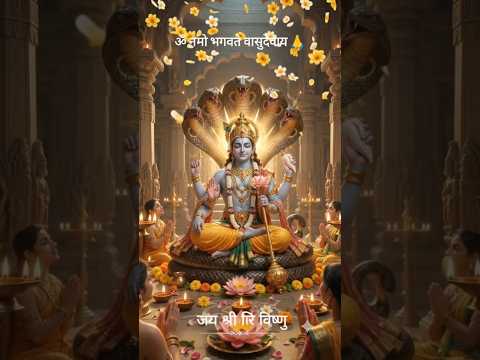
- 3Read the Bhagavad Gita, or at least chapter 2, 12 and 15, in the morning or in Abhijit muhurat (Jaipur 12:03 PM – 12:45 PM). Vishnu Sahasranama and "Om Namo Bhagavate Vasudevaya" are the mantras of the day.
- 4In pradosh kaal (Jaipur 5:37 PM – 8:01 PM) light a lamp before the Gita and Vishnu, do aarti and, if possible, keep a night vigil with bhajans.
- 5On 21 December bathe after sunrise, offer Tulsi water to Vishnu, feed a Brahmin, cow or needy person, and break the fast with Tulsi water followed by a sattvik meal that includes rice, before 12:08 PM.
Gita Jayanti: how to observe it
Gita Jayanti is kept by reading, not by ritual. Families read a chapter each from the eighteen chapters, temples hold full recitations, and students begin their first study of the Gita on this day. Kurukshetra holds the largest celebrations, with Gita path on the banks of Brahma Sarovar. Giving a copy of the Gita, or sponsoring one for a school or temple library, is the recommended daan. Those who cannot read Sanskrit can read a Hindi translation; the merit is in the reading and the listening.
Significance
Mokshada means "the giver of liberation". The Padma Purana story tells of King Vaikhanasa, who saw his dead father suffering in a dream and was told by the sage Parvata to keep this fast and offer its merit to his father, who was then freed. This is why the fast is kept for the ancestors as well as for oneself. Falling inside Kharmas, which began with Dhanu Sankranti on 16 December, the Ekadashi is unaffected: Kharmas pauses muhurat work, not vrat and puja.
Things to avoid
- •No rice, grains, lentils, meat, onion or garlic on 20 December; no Tulsi plucking on the day.
- •Do not sleep in the day, and avoid quarrels and gossip; the day is for Gita reading.
- •Do not break the fast before sunrise on 21 December or after 12:08 PM.
Every vrat, muhurat and rahu kaal offline, with alarms. Computed from your city's sunrise: Panchang 2026 app on Google Play.
Read the previous article Dhanu Sankranti 2026 and the next one Dattatreya Jayanti 2026. The next Ekadashi is Safala Ekadashi on 3 January 2027. Also see What is Ekadashi, your city's Panchang, Rahu kaal and Choghadiya, or generate a free Janam Kundli.